Home Inspections in Altadena: What Inspectors Check at Each Build Stage
Key Facts
- 65% of buyers of new homes uncovered problems during an inspection, per a 2022 survey cited by NAR.
- Roughly 24% of new homes fail their very first inspection, industry estimates show.
- A typical California custom home requires a minimum of six to eight staged inspections before work can legally proceed.
- County inspectors verify the home won't fall down or catch fire — your own inspector verifies it's built well.
- Third-party phase inspections run roughly $150–$500 per phase, or $800–$2,000 for a full package, according to Redfin's breakdown.
- Altadena's average rebuilding permit approval takes about five months, though pre-approved LA County plans cut it to 30–40 days, Spectrum News reports.
- The pre-pour inspection window is often just one or two days, Redfin notes — corrections after concrete are expensive.
Why New Construction in Altadena Isn't Automatically Defect-Free
It's tempting to assume a brand-new home — permitted, stamped, and signed off by the county — must be free of defects. The data says otherwise. In a 2022 survey cited by the National Association of Realtors, 65% of buyers who purchased a new home uncovered problems during an inspection. Nearly a quarter of new homes — 24% by industry estimates — fail their very first inspection.
Why? Because a permit is not a promise of quality. Municipal inspectors verify minimum code compliance, not workmanship — as one industry resource puts it, a code inspector confirms the home won't fall down or catch fire, while your own inspector verifies it's actually built well. Code approval means the structure meets the legal floor, not that every weld, nail pattern, and drainage detail was executed correctly.
That gap matters more in Altadena than in most places. Building here means unincorporated LA County jurisdiction, hillside and slope lots, and — for the thousands of families rebuilding after the Eaton Fire — compressed timelines and high expectations. More than 9,000 structures were lost in the Altadena/Pasadena area, and rebuild projects face an average permit approval of roughly five months. When construction finally starts, no one wants to discover a framing or drainage problem after the drywall goes up.
That's the core problem with waiting until move-in: once work is covered, it can't be inspected. You can't evaluate framing behind finished walls or rough-in plumbing after the walls are closed. A final walkthrough only reveals what remains visible — and by then, corrections are far more expensive.
This is why staged, phase-by-phase inspections exist, and why Altadena Custom Home Builder recommends them for every ground-up project, tear-down, and Eaton Fire rebuild in town. A typical California custom home requires a minimum of six to eight of them:
- Foundation and pre-pour, checked before concrete permanently conceals rebar, anchors, and drainage
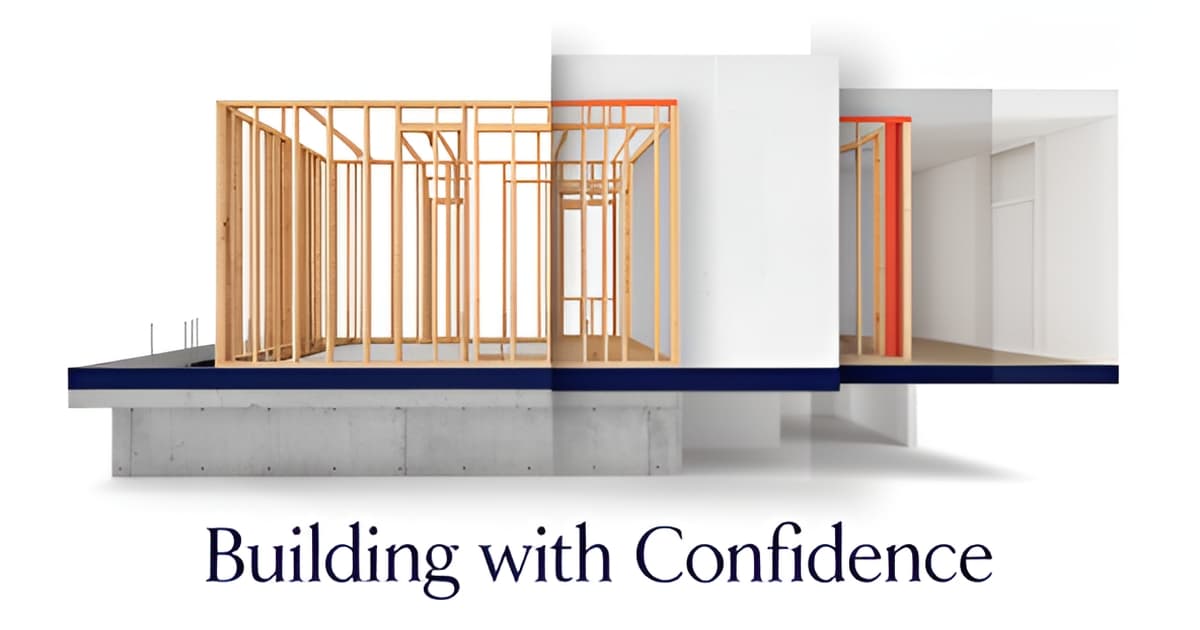
- Framing, including shear walls and seismic hardware California inspectors scrutinize closely
- Plumbing, electrical, and HVAC rough-in, each inspected separately before walls close
- Insulation and pre-drywall — the last chance to see the home's internal systems
- Final inspection, which unlocks the Certificate of Occupancy
Each phase must pass before the next can legally begin. Skipping the staged sequence doesn't just risk defects — it risks discovering them at the worst possible moment, when fixing them means tearing finished work back open.
The Inspection Sequence: What Gets Checked Before Walls Go Up
Once the concrete is poured and the drywall is taped, no inspector on earth can see what's behind it. That single reality drives the entire inspection sequence for a custom home in Altadena — a typical California build requires a minimum of six to eight mandatory inspections, each of which must pass before the next phase can legally begin.
The governing rule is simple: work must be inspected before it is covered or concealed. As Los Angeles-area building departments put it, you must have the relevant construction inspected before any work is hidden. In practice, that means the sequence runs like this:
- Foundation / pre-pour — the inspector arrives while forms are set and rebar is in place, checking building position, setbacks, elevations, footing dimensions, reinforcement spacing, and anchor bolts before concrete goes in.
- Framing — the full structural system gets reviewed: roof framing, hold-down hardware, and shear walls, with nailing patterns scrutinized carefully under California's seismic requirements.
- Rough-in — plumbing, electrical, and HVAC are inspected as separate approvals, with drain lines slope-tested, wiring checked against circuit loads, and duct sealing verified.
- Insulation — the pre-drywall stage, focused on Title 24 energy compliance: minimum R-values by climate zone plus air sealing.
- Final — verifies prior corrections are closed, smoke and CO alarms work, and life-safety items like handrails and egress are in place, leading to the Certificate of Occupancy.
Two stages deserve special attention from Altadena homeowners. The pre-pour inspection is the highest-leverage moment in the entire build — corrections after the pour are expensive and time-consuming, and the window is often just one or two days. In California, foundation requirements are also shaped by the geotechnical soils report, which addresses expansive soils, high water tables, and seismic considerations — a big deal on Altadena's hillside lots.
The pre-drywall stage is widely described as the most critical phase, because it's the last chance to see framing, rough plumbing and electrical, ductwork, and insulation before the walls close. And these inspections are not optional check-ins — they are permit-based approvals. A failed inspection is routine rather than catastrophic: the inspector issues a correction notice, fixes take hours to days, and reinspection fees apply. But in busy jurisdictions, inspectors may be booked out several days, so a good builder — like Altadena Custom Home Builder or our featured builder, JMB Builders LLC — builds inspection scheduling into the project timeline from the start rather than treating it as an afterthought.
County Inspectors vs. Your Own Third-Party Inspector
Passing a county inspection means one thing: your home meets minimum legal standards. It does not mean the home is built well — and for Altadena owners investing in a high-end custom home, that distinction matters.
Because Altadena sits in unincorporated Los Angeles County, your permit's staged inspections are handled through the county's building department, and those inspectors have a specific, narrow mandate. As one industry guide puts it, a city or county inspector is verifying code compliance, not comprehensive quality. Opendoor frames the gap even more bluntly: code inspectors verify that the home won't fall down or catch fire — your own inspector verifies that it's actually built well.
The data backs up why that second layer is worth considering. A 2022 survey cited by NAR found that 65% of buyers who purchased a new home uncovered problems during an inspection, and roughly one in four new homes fails its first inspection. None of these findings mean your builder is cutting corners — they reflect the reality that code sets a floor, not a ceiling.
A third-party phase inspector works alongside the county sequence, not instead of it. According to Redfin's cost breakdown, expect roughly $150–$500 per phase, or $800–$2,000 for a full package covering every major milestone. What you get for that:
- Workmanship review — plumb walls, consistent nailing, clean connections that code doesn't grade
- Pre-drywall documentation — photos of what's about to be concealed behind walls
- An advocate who answers to you, not to the permit file
- Early problem detection, while fixes are still cheap and visible
The timing logic is the same one that drives the county sequence: once drywall goes up, nobody can see what's behind it. As HomeTeam Inspection Service's president told NAR, "Home inspectors can't report it if they can't see it." A phase inspector catches issues at the moment of maximum leverage — before they become warranty claims.
For owners rebuilding after the Eaton Fire or building ground-up on a hillside lot, this layer of oversight is especially reasonable given the investment at stake. Most reputable builders won't — and shouldn't — refuse a phase inspection. If you're planning a custom home or rebuild in Altadena and want to think through the right inspection strategy for your project, Altadena Custom Home Builder offers a free build consultation to walk through it with you.
When an Inspection Fails: What Actually Happens Next
A red tag on a framing inspection feels like a crisis the first time you see one. In reality, failed inspections are a routine part of building — roughly one in four new homes fails its first inspection, and even brand-new construction routinely hides problems that surface later. What matters is how the failure gets handled.
When an inspector finds a deficiency, they don't shut the project down indefinitely. They issue a correction notice that cites the specific code section in question, so your builder knows exactly what to fix and why. Most corrections take hours to days to complete, not weeks, according to practitioner guidance on phase inspections. A reinspection fee applies, and the work gets rechecked.
The bigger friction point is scheduling. Inspectors in busy jurisdictions like LA County are often booked out several days, so even a one-day fix can stretch into a week before anyone returns to verify it.
The direct cost of a correction is usually modest. The indirect cost is where budgets bleed. A failed inspection hits twice — you pay for the fix itself, then for the production disruption: remobilization, reinspection fees, and subcontractor rescheduling. As construction management analysis puts it, a one-day correction can easily become a longer delay when the original subcontractor can't return immediately.
That's why preparation matters. Steve Miller of Buildxact frames it well: "By the time the inspector arrives, you want confirmation that the job is ready, not a new problem that stops the next trade." Most inspection problems are cheaper to fix while the work is still open.
- Maps the local inspection sequence against the job schedule from day one — requirements differ by jurisdiction, and Altadena falls under LA County unincorporated rules
- Schedules inspections into the project timeline rather than treating them as afterthoughts
- Prepares each stage thoroughly before requesting the inspection, since work must be inspected before it's covered or concealed
- Builds buffer time for reinspection cycles, knowing busy inspectors book out several days
Good builders treat inspection scheduling as part of the plan, not a disruption to it. At Altadena Custom Home Builder, we encourage homeowners to ask any prospective builder how they handle correction notices and reinspection scheduling before signing a contract — the answer reveals a lot about how the project will actually run.
If you're planning a ground-up build, tear-down rebuild, or Eaton Fire rebuild in Altadena, a free build consultation can help you map the inspection sequence and realistic timelines for your lot.
Building an Inspection-Ready Rebuild Plan in Altadena
The difference between a smooth Altadena rebuild and a stalled one usually comes down to planning: inspections aren't a final hurdle, they're a sequence that shapes your entire construction schedule. Good builders build inspection scheduling into the project timeline from day one — it shouldn't be an afterthought, and neither should the permitting phase that precedes it.
Start by mapping the full inspection chain — foundation, framing, rough-in (plumbing, electrical, HVAC), insulation, and final — against your project schedule before groundbreaking. A typical California custom home requires a minimum of six to eight inspections, each of which must pass before the next phase of work can legally begin. Because work must be inspected before it's covered, a missed or failed inspection doesn't just cost a reinspection fee; it can idle your framing crew while corrections are made and the inspector is rebooked.
For Eaton Fire rebuilders, permitting deserves its own line in the plan. The average rebuilding permit approval in Altadena runs about five months, though homeowners using pre-approved plans that match LA County guidelines have shortened that to 30–40 days. Since Altadena is unincorporated LA County, confirm early whether LA County Public Works — not a city building department — handles your permits, and build that approval window into your financing draw schedule.
A few housekeeping habits protect you long after the final walkthrough:
- Keep your Certificate of Occupancy on file — without a passed final inspection, the home cannot legally be occupied and lenders may hold the last construction draw.
- Retain the B-8 building card, which records each approved inspection and becomes essential documentation for insurance, resale, or future remodels.
- Log every correction notice and its resolution, since the final inspection verifies that all prior corrections were closed.
- Schedule inspections in advance; in busy jurisdictions, inspectors may be booked out several days.
It also helps to set expectations realistically. Roughly 24% of new homes fail their first inspection, so treat a correction notice as routine rather than a crisis — most fixes take hours to days. And remember that municipal inspectors verify code compliance only; many Altadena owners add third-party phase inspections to check workmanship beyond minimum code, especially at the pre-drywall stage when framing and rough-ins are still visible.
If you're planning a ground-up build, tear-down rebuild, or Eaton Fire rebuild on your lot, a free build consultation with an experienced local team like JMB Builders LLC (CSLB #1103479) can help you sequence permits, inspections, and construction milestones for your specific property — hillside lots and SB 9 splits included.
Frequently Asked Questions
Do I really need inspections on a brand-new home in Altadena if it's already permitted?
How many inspections does a typical custom home build require?
What's the most important inspection stage I shouldn't miss?
What happens if my construction inspection fails?
Is it worth hiring my own third-party inspector if the county is already inspecting?
How long does it take to get permits for an Eaton Fire rebuild in Altadena?
Build With Eyes Open: The Altadena Inspection Advantage
Inspections aren't a hurdle at the end of your build — they're the backbone of it. Every Altadena project, from hillside ground-up homes to Eaton Fire rebuilds, moves through six to eight staged approvals under LA County jurisdiction, each one passed before the next phase can legally begin. The rule that governs everything: work gets inspected before it's covered, because nobody can evaluate framing behind finished drywall. Remember that passing a county inspection means meeting minimum code, not verified workmanship — which is why 65% of new-home buyers uncovered problems during an inspection in a 2022 survey. Correction notices are routine, not catastrophic; what separates smooth builds from stalled ones is a builder who schedules inspections into the timeline from day one. Your next step: before signing any contract, ask prospective builders how they handle correction notices, reinspection scheduling, and pre-pour timing. If you're planning a custom home, tear-down, or rebuild in Altadena, Altadena Custom Home Builder offers a free build consultation to map the inspection sequence for your specific lot — no pressure, just a clear plan.